
Master Your Kitchen, Transform Your Health
Learn how developing stronger cooking skills creates the foundation for lasting, healthy eating habits that fit your real life.
The information on this site is for educational purposes only and does not constitute medical advice. Always consult a qualified healthcare professional before making health decisions.
Why Cooking Skills Matter
Control Your Ingredients
When you cook at home, you decide what goes into your meals. No hidden additives, no excess salt or sugar—just real food prepared your way.
Choose Fresh Whole Foods
Cooking skills empower you to work with vegetables, grains, legumes, and proteins in their natural form, maximising their nutritional value.
Build Sustainable Habits
Confident cooks enjoy preparing meals at home, making healthy eating feel effortless rather than like a chore or restriction.
Save Time & Money
Learn efficient techniques and smart meal planning to prepare nourishing food faster and more affordably than eating out or buying processed alternatives.
Six Essential Cooking Skills That Change Everything
These fundamental techniques form the backbone of confident home cooking. Master them, and you'll be able to prepare countless meals with ease and creativity.
Knife Skills & Prep Work
Learn proper cutting techniques to save time, reduce waste, and improve presentation. Sharp knife skills make cooking safer and more enjoyable.
Seasoning & Flavour Building
Understand how to balance salt, acid, fat, and heat to create delicious meals without relying on processed sauces or excessive condiments.
Cooking Methods Mastery
Sauté, roast, steam, simmer, grill—each method brings out different qualities in ingredients. Knowing when to use each creates diverse, engaging meals.
Recipe Reading & Adaptation
Learn to understand recipes, adjust them based on what you have, and develop intuition about how ingredients work together.
Meal Planning & Batch Cooking
Plan meals that work together, prep ingredients in advance, and cook strategically to have healthy options ready throughout the week.
Kitchen Safety & Hygiene
Understand food handling basics, proper storage, and kitchen organisation to keep your cooking space healthy and efficient.
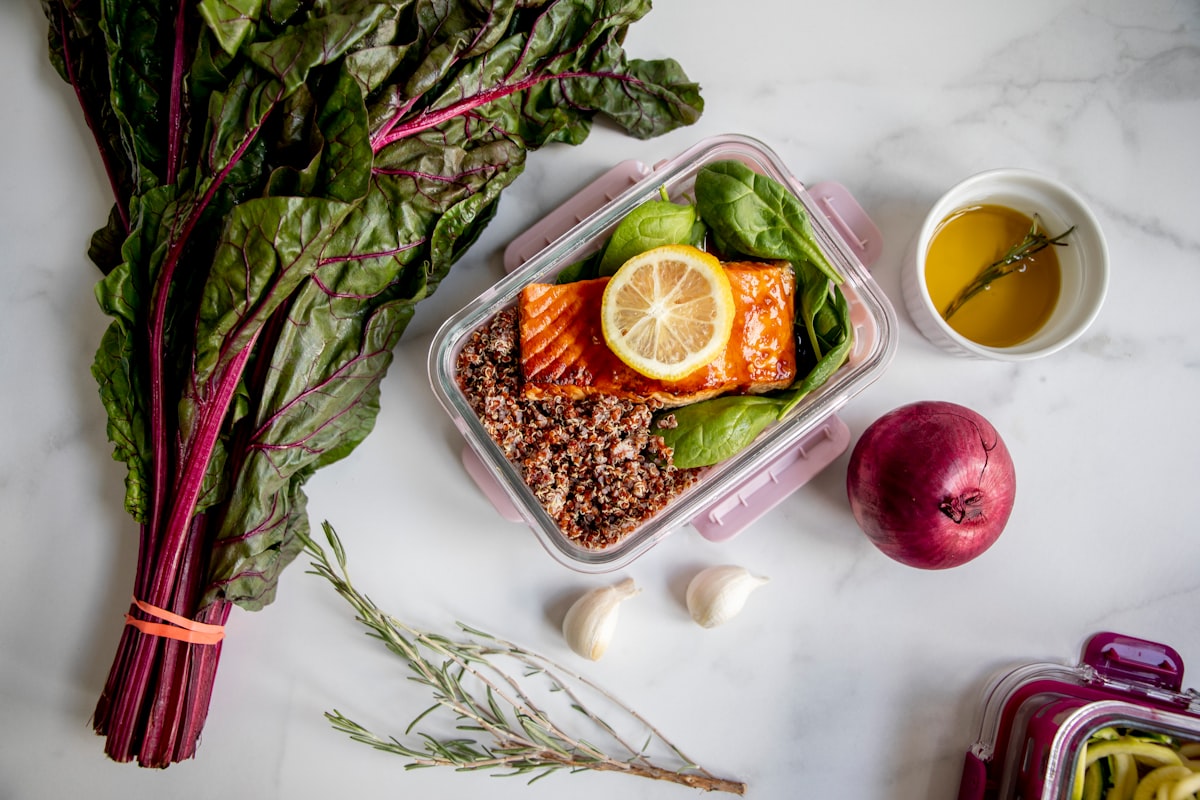
Your Path to Confident Cooking
Learn the Fundamentals
Start with the core techniques that apply across cuisines and meal types. Understand your tools, heat control, and basic food science principles.
- Knife grip and basic cuts
- Pan control and temperature management
- Flavour balancing principles
- Kitchen organisation and safety
Build Your Repertoire
Gradually expand your skills by practising different cooking methods and exploring recipes from various traditions. Confidence grows with repetition.
- Sautéing, roasting, and braising
- Working with different proteins
- Creating sauces and dressings
- Meal planning and prep strategies
Cook with Confidence
Develop intuition about ingredients, adapt recipes to your preferences, and create meals that nourish your body and bring you joy.
- Trust your taste and adjust freely
- Cook without strict recipes
- Make healthy eating your new normal
- Enjoy cooking as a relaxing practice
How Better Cooking Skills Support Healthy Eating
Whole Food Focus
When you enjoy cooking, you naturally gravitate towards ingredients you love—fresh vegetables, whole grains, legumes, and quality proteins. You become the chef of your own nutrition.
Flavour Without Excess
Master seasoning techniques and you'll discover you don't need added sugars, excessive salt, or heavy processed sauces. Simple, properly seasoned food tastes amazing.
Time for Home-Cooked Meals
Efficient cooking skills mean you can prepare nourishing meals quickly. When cooking feels manageable, you're more likely to eat at home rather than rely on takeout or convenience foods.
Mindful Eating Practice
Preparing your own meals encourages you to slow down, engage with your food, and connect with what you're nourishing your body with—a foundation for conscious eating habits.
Share with Your Community
Cooking skills let you prepare meals for family and friends, creating shared experiences around nourishing food. This strengthens both your habits and your relationships.
Continuous Learning
As your skills grow, you'll naturally explore new ingredients, cuisines, and techniques. This keeps healthy eating interesting and sustainable for the long term.
Learn From Our Community
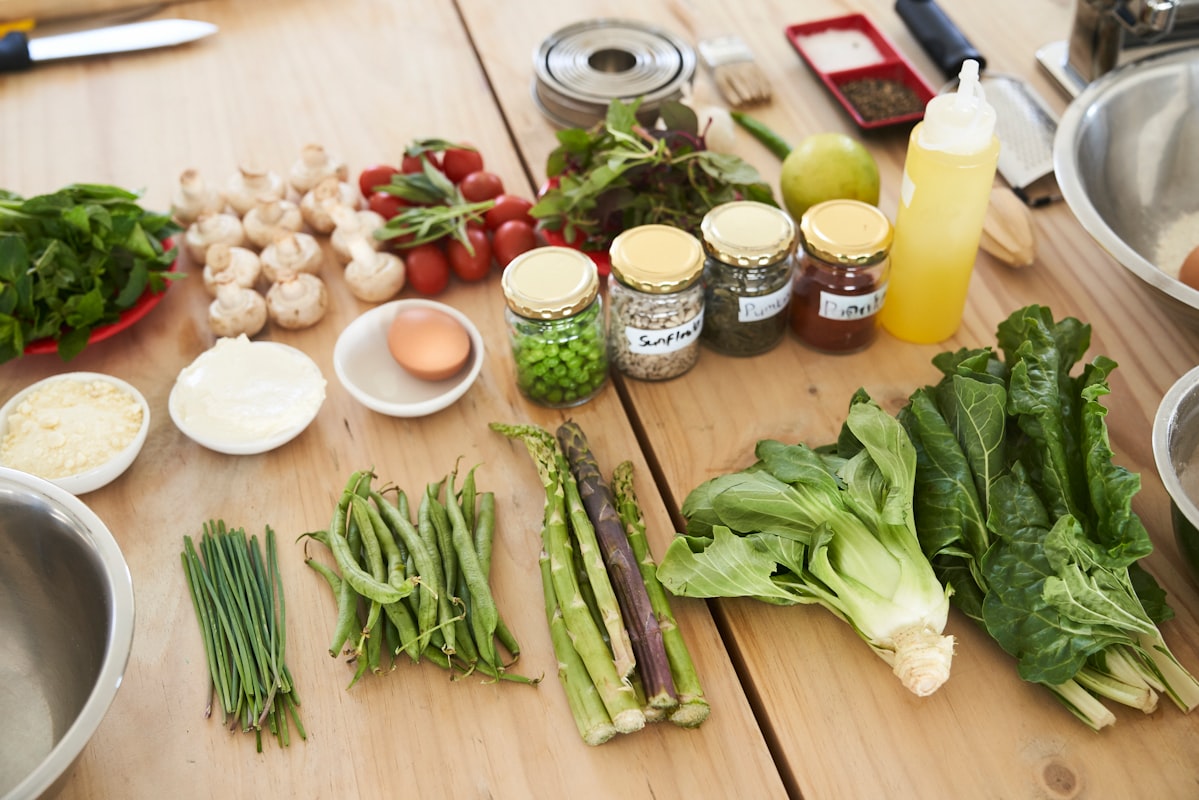
Mediterranean Cuisine Foundations
Explore the time-honoured traditions of Greek and Mediterranean cooking. Learn how to build meals around olive oil, fresh vegetables, and simple preparation methods.
Explore Recipes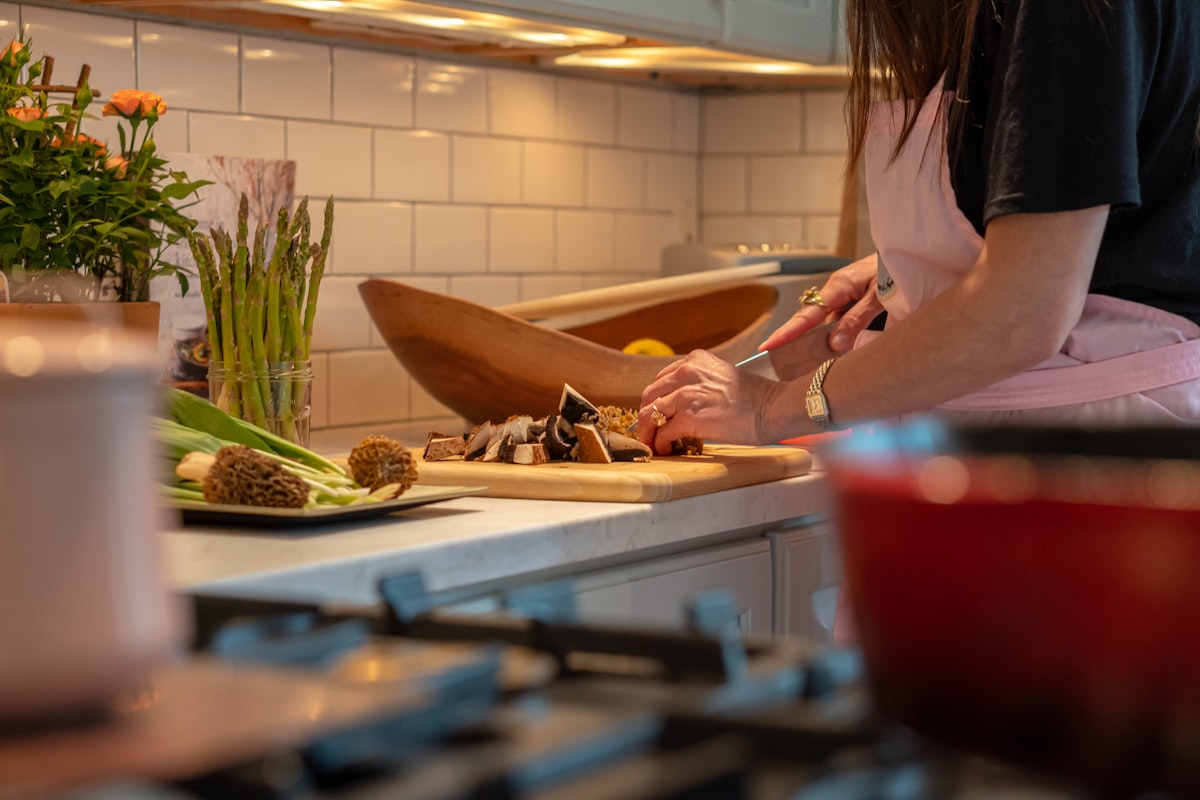
Vegetable Mastery & Seasonal Eating
Discover how to select, store, and prepare vegetables at their peak. Learn techniques that bring out natural flavours and preserve nutritional value.
View Tips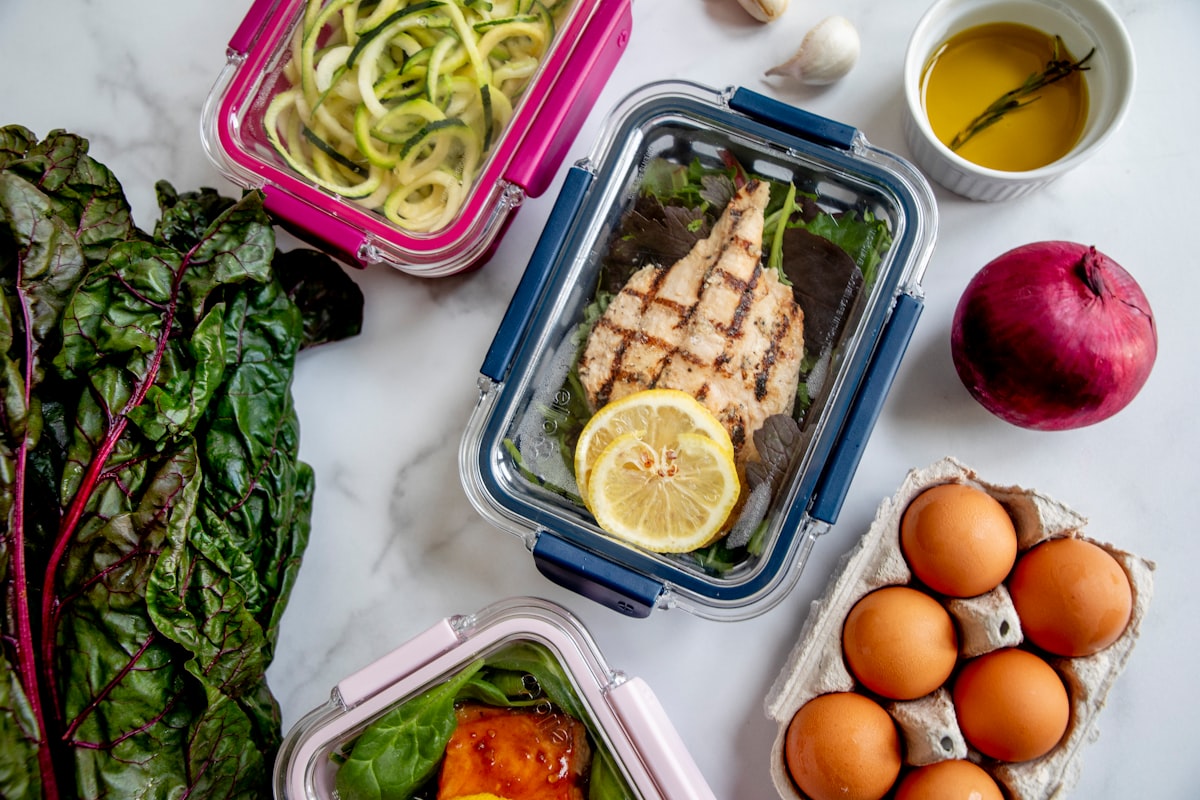
Meal Prep & Planning Strategies
Learn how to plan meals efficiently, prepare ingredients in advance, and create a system that makes healthy eating convenient throughout your busy week.
Browse IdeasFrequently Asked Questions
Not at all. While formal training helps, many people develop excellent cooking skills through practice, following recipes, and learning from resources like ours. Start with techniques and recipes that interest you, and build from there. The best cooking education is the one you'll actually apply in your own kitchen.
This varies for each person, but most people see significant improvement in their confidence and ability within a few weeks of regular practice. Basic knife skills might take two to three weeks to develop, while building a solid repertoire of meals takes a few months. The key is consistent practice—cooking 4-5 times per week accelerates learning far more than occasional cooking.
Strong cooking skills allow you to choose whole, minimally processed ingredients and prepare them in ways that preserve their nutritional value. You'll also understand flavour balancing, allowing you to create delicious meals without relying on added sugars, excess salt, or processed condiments. This direct control over your food is a cornerstone of eating well.
Start with simple recipes that use just a few ingredients and basic techniques. Our cooking tips section includes foundational guides for knife skills, pan control, and flavour building. Choose one or two techniques to practise, then gradually expand. Focus on meals you actually want to eat—your motivation matters more than following a rigid plan.
One of the key benefits of strong cooking skills is efficiency. As you improve, you'll prepare meals faster. Additionally, learning meal planning and simple prep strategies lets you have healthy food ready in minutes. Our resources include quick recipes and batch-cooking techniques designed for busy people.
Cooking skills transform healthy eating from feeling like deprivation into something enjoyable and sustainable. When you can prepare delicious, nourishing meals that fit your preferences, eating well becomes your natural choice rather than something you force yourself to do. This makes lasting change possible.
Stories From Our Community
"
I used to think I couldn't cook, so I relied on takeout constantly. Once I learned basic knife skills and simple sautéing, everything changed. Now I genuinely enjoy preparing dinner, and my family eats better because of it.
Maria Papadopoulos
Athens
"
I wanted to eat healthier but didn't know where to start. Learning to cook properly taught me more than any nutrition article ever could. Now I understand food, and I make choices that feel right for my body.